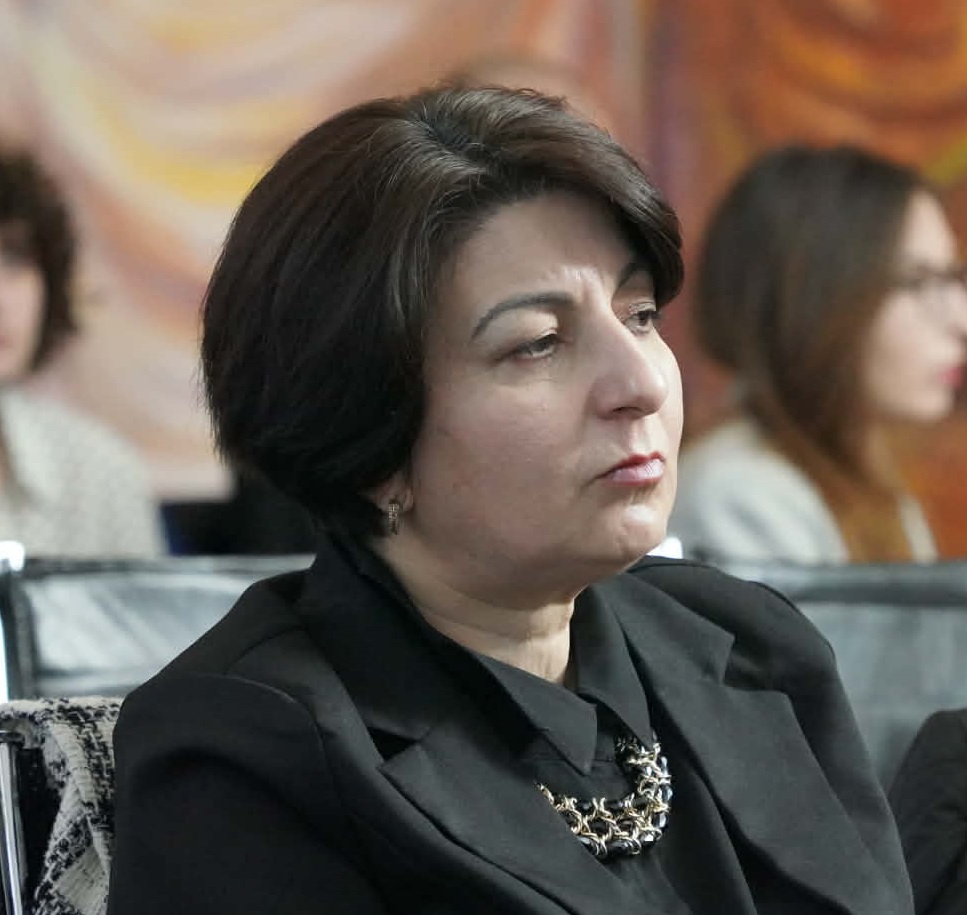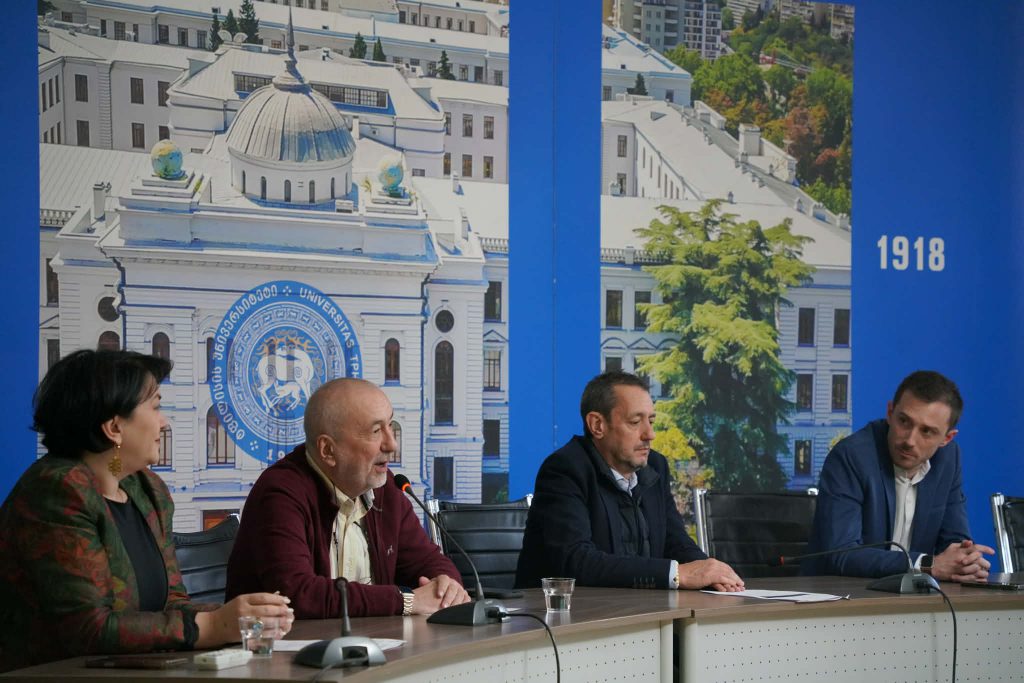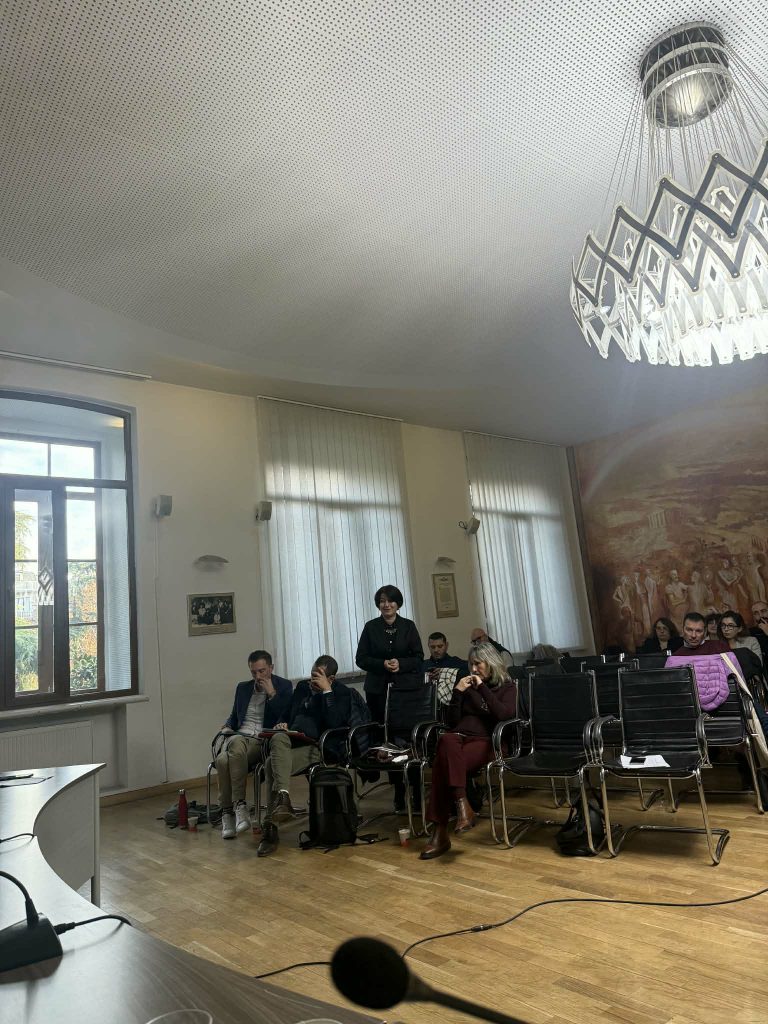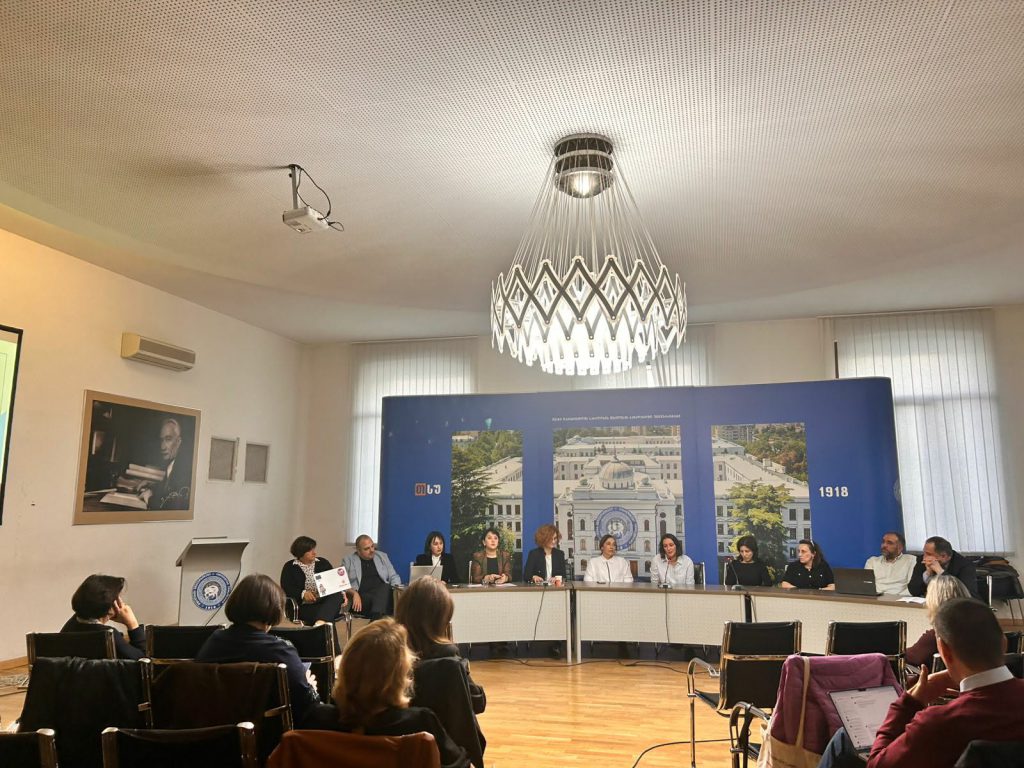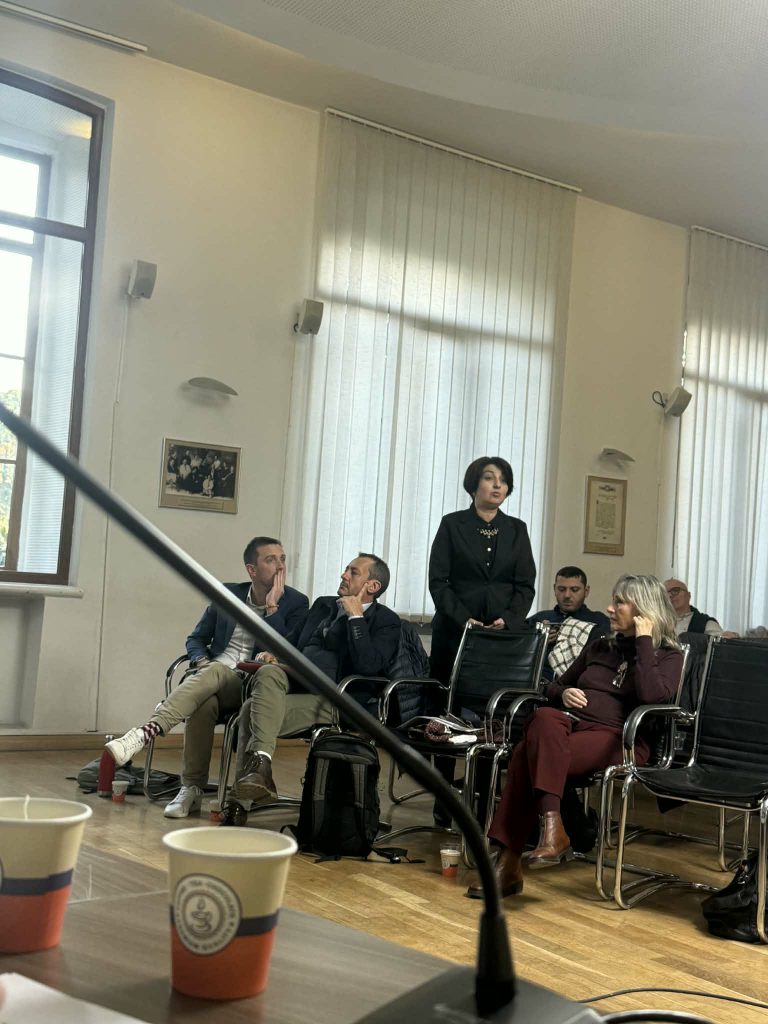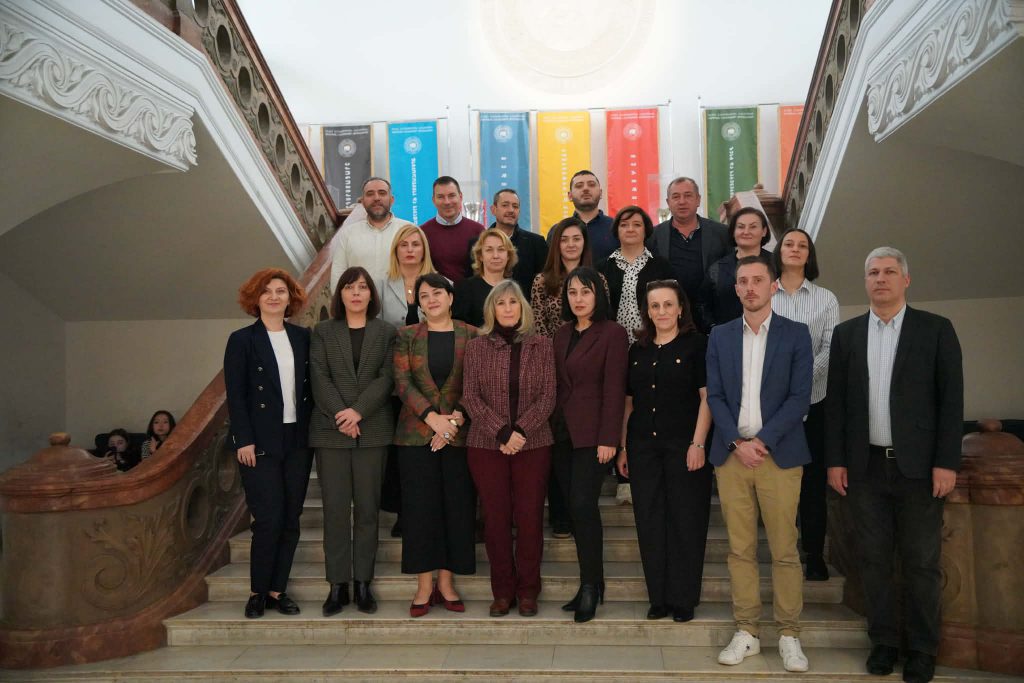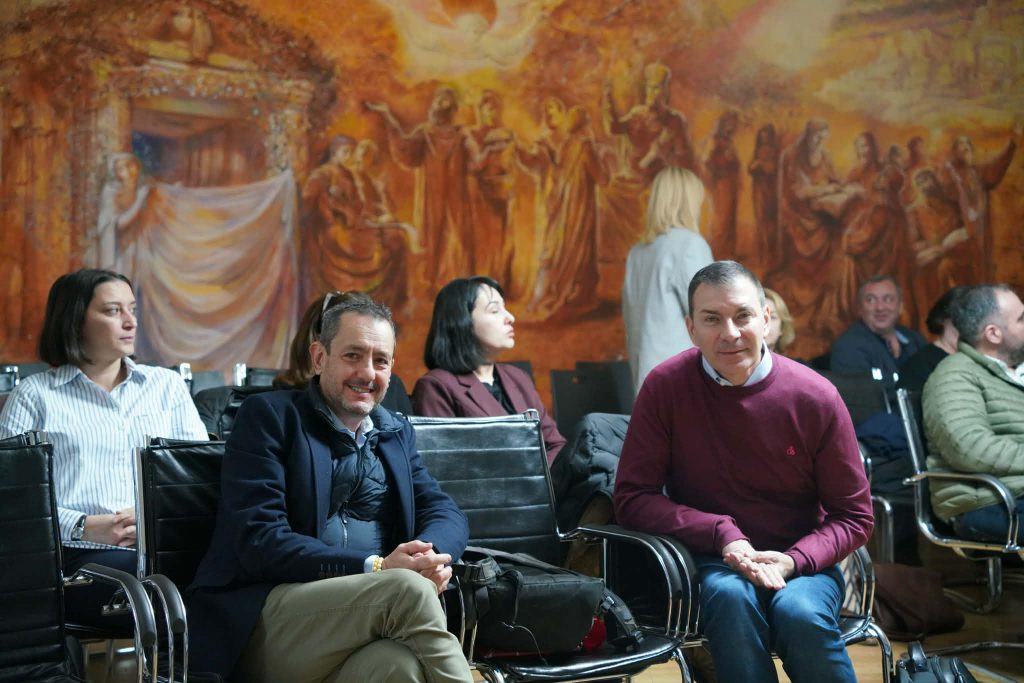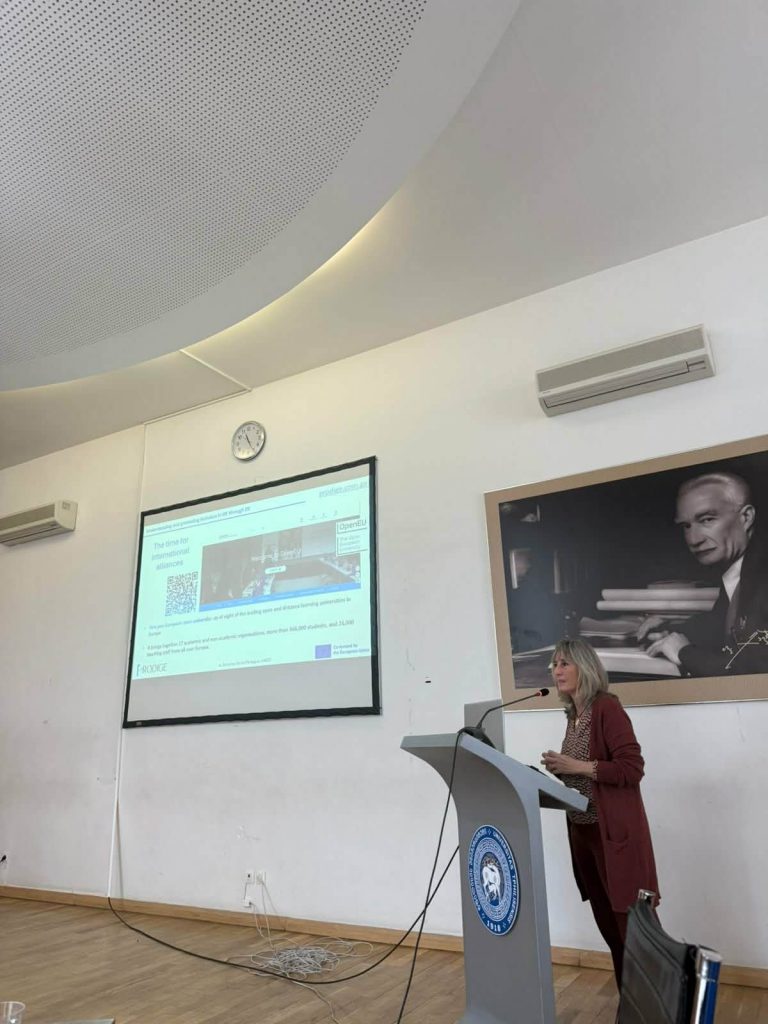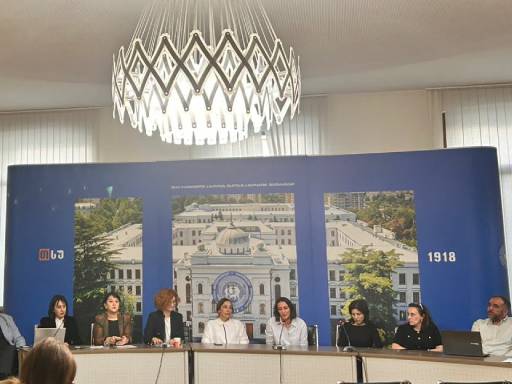


On 4–5 December 2025, within the framework of the Erasmus+ CBHE PRODIGE (Promoting High-Quality Digital Education in Georgia) project, WP8 T8.4 – “National Round Table 1” was held at Ivane Javakhishvili Tbilisi State University in Tbilisi. The Rector of Samtskhe-Javakheti State University, Maka Beridze, and the project coordinator, Tea Tatenashvili, participated in the event.
“National Round Table 1” aimed to summarise the activities carried out and the results achieved during the first phase of PRODIGE. The discussion focused on teaching innovations, academic staff development, and institutional transformations. The session served as a platform for institutional reflection and exchange of experiences.
Representatives of the consortium took part in the institutional panel discussion, including:
• Irma Grdzelidze – TSU
• Maia Bitsadze – IliaUni
• Natia Tsifuria – ZSU
• Natalia Jijavadze – BSMA
• Tea Tatenashvili – SJSU
• Davit Tsiklauri – CU
• Vakhtang Beroshvili – TSSU
• Tamta Demetradze – ATSU
• Zurab Zurabashvili – SSU
• Maka Kochauri – TESAU
Moderator – Rusudan Sanadze (TSU)
Representatives of Georgian partner universities shared their views on how PRODIGE has influenced digital teaching practices, faculty capacities, governance processes, and institutional strategies. The discussion highlighted the achievements and identified areas that require further support and development.
The panel addressed the following questions:
• Which institutional practices have changed the most?
• Which digital, pedagogical, or structural transformations have proven the most impactful?
• How have faculty competences evolved within the project?
• What institutional barriers remain for the large-scale implementation of digital learning?
• How has PRODIGE supported the development and renewal of digital strategies?
The next session focused on quality assurance in digital and hybrid education. Presentations were delivered by:
• Christophe Terrasse (EFMD)
• Lia Lauri (Estonian Quality Agency for Education – Harno)
• Angeles Sanchez-Elvira (UNED, UNESCO Chair in Distance Education)
Moderator: Irma Grdzelidze (TSU)
The session aimed to discuss how quality assurance agencies adapt standards and methodologies for assessing digital and hybrid educational formats. The discussion emphasised:
• requirements for evidence
• accreditation criteria
• indicators of digital learning quality
• case analyses
• the impact of artificial intelligence on assessment processes
The participants also discussed the extent to which Georgia’s quality assurance expectations align with European digital frameworks and how artificial intelligence may influence the development of monitoring and quality assurance practices.
In conclusion, the event once again highlighted the ongoing transformations in the field of digital education and the areas that require institutional and national-level support and systematic development.