

Here is the formatted English version with corrected paragraph structure, aligned exactly with the Georgian text layout for your website:
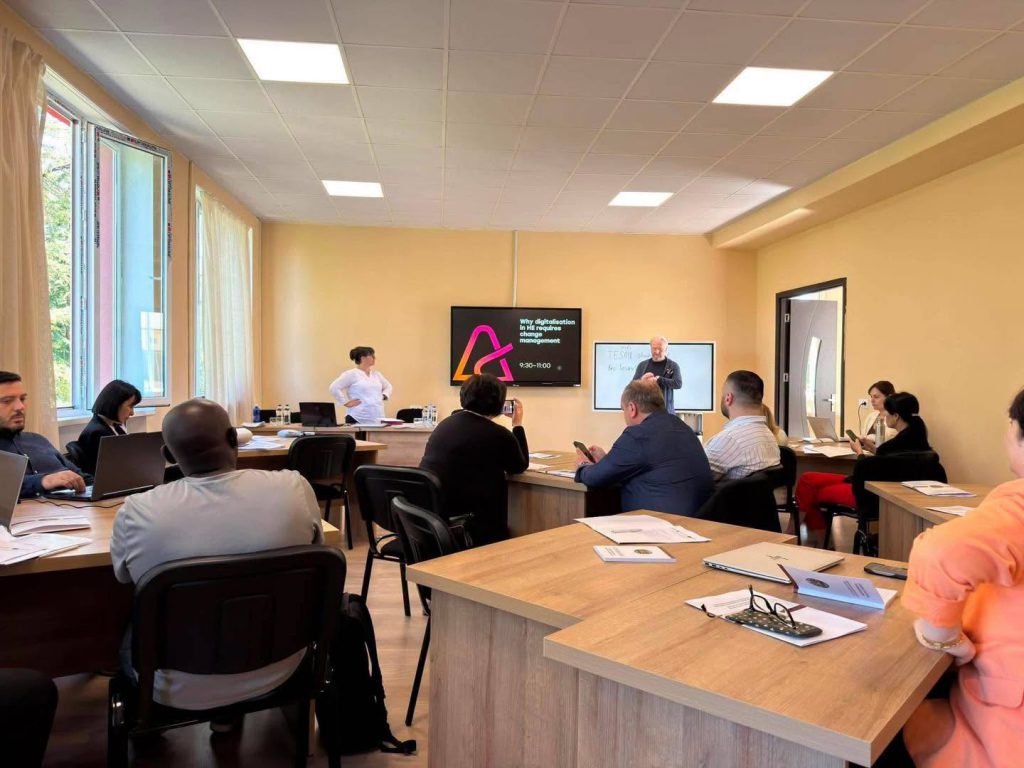
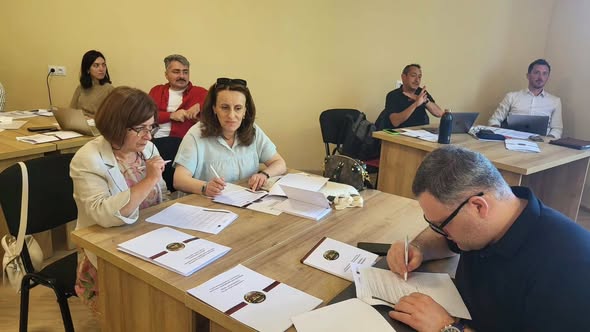
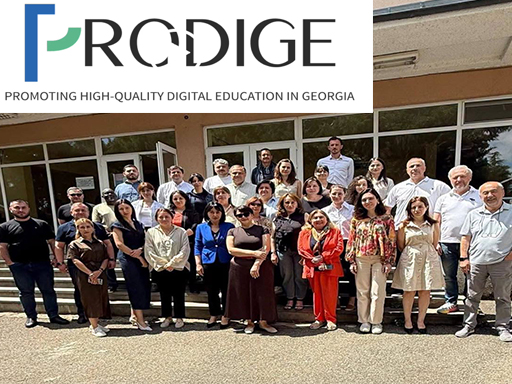
Representatives of Samtskhe-Javakheti State University participated in the working meetings held within the framework of the Erasmus+ PRODIGE international project – “Promoting Digital Education in Georgia”.
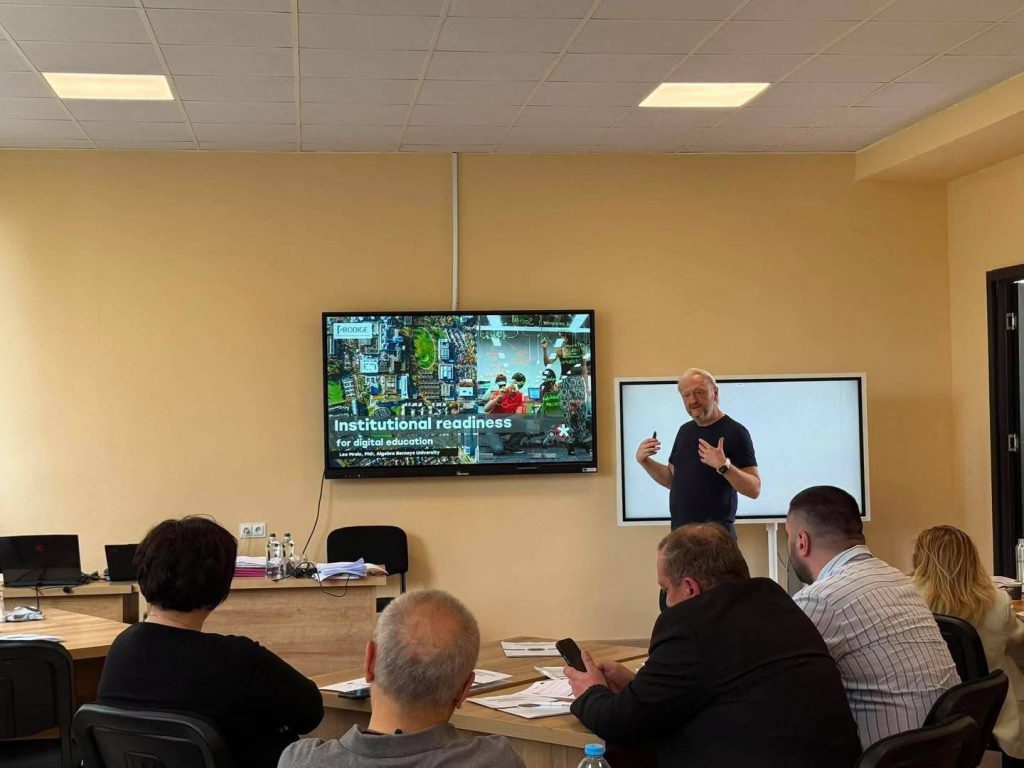
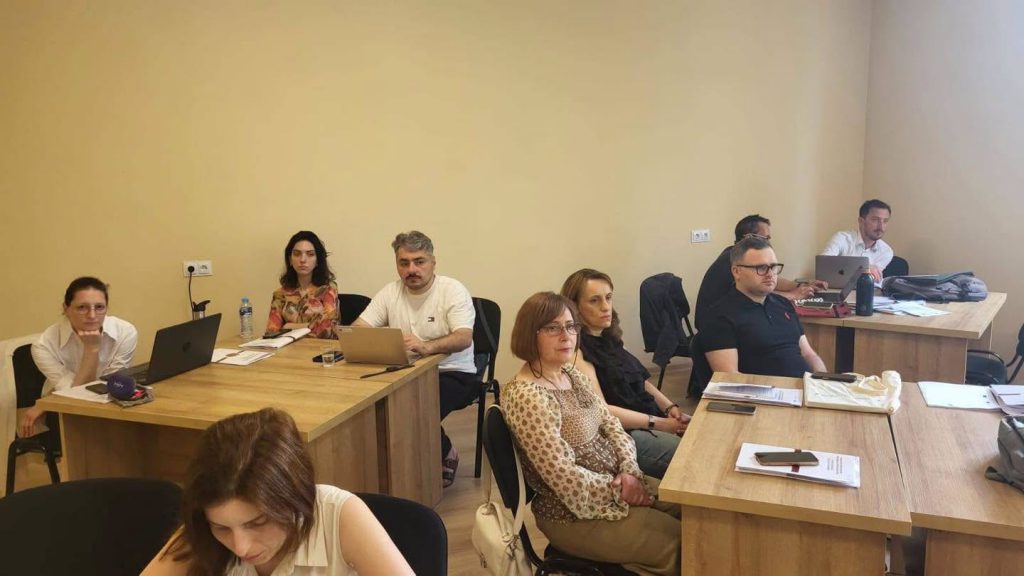
The event, hosted by Iakob Gogebashvili Telavi State University from June 29 to July 1 of this year, was attended by the SJSU team: Project Coordinator and Chief Specialist of the Quality Assurance Service, Tea Tatenashvili; Head of the Quality Assurance Service of the Faculty of Business Administration, Associate Professor Nana Jgharkava; and Project Researcher and Doctor of Informatics, Dr. Irakli Khachidze.
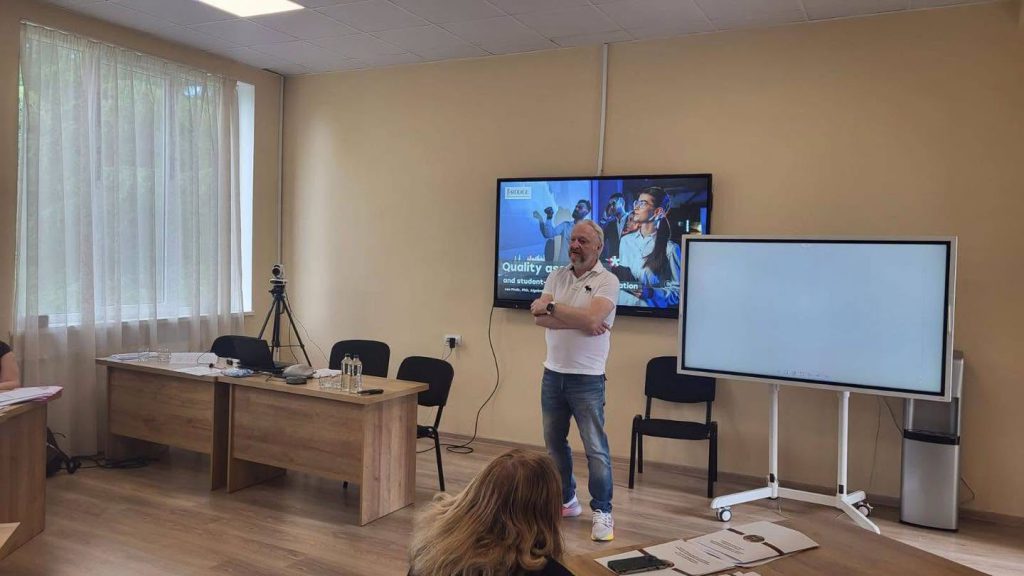
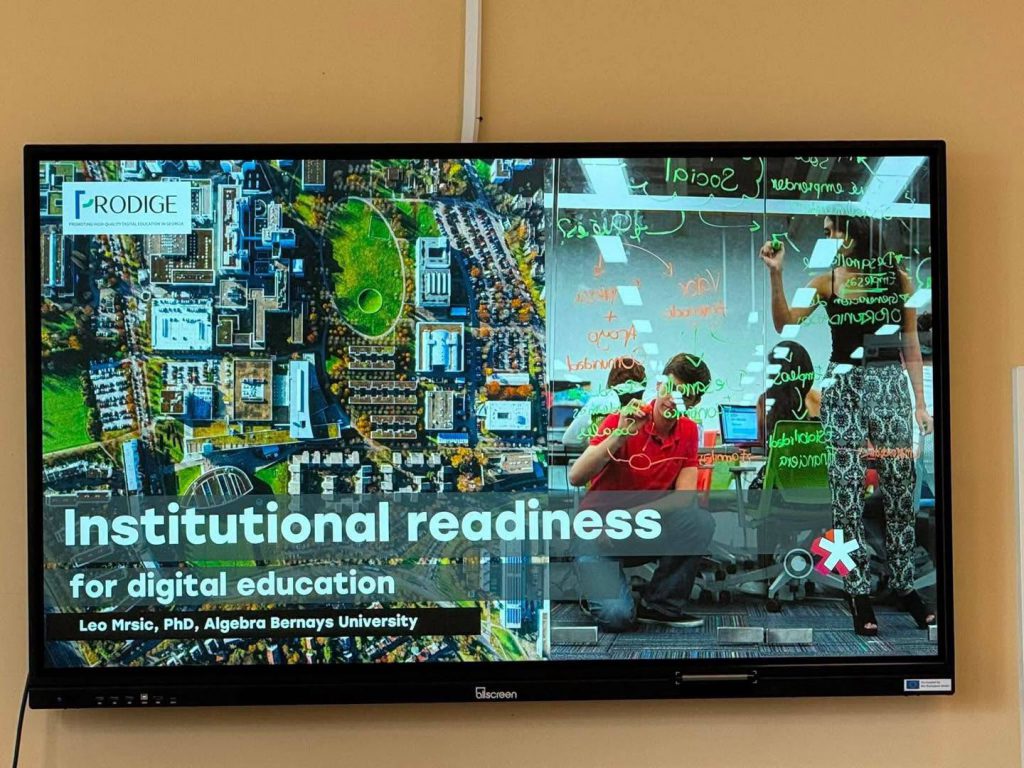
The meetings were organized within the scope of Work Package 6 (WP6) – “Implementation of Digital Learning in Georgian Universities” and the training session – “Mastering Change Management Process” (T6.1). Representatives from 10 partner higher education institutions in Georgia, all members of the project consortium, took part in the event.
The working sessions were led by leading experts from Algebra Bernays University:
Leo Mršić – Vice-Rector for Science and Research at Algebra Bernays University and Vice-President for Technological Development of the National Council for Higher Education, Science, and Technological Development of Croatia. He is a researcher in computer science and ICT (Information and Communication Technologies), holding a Master’s degree in Business Statistics and a PhD in Information Sciences from the University of Zagreb. Professor Mršić is a lifelong Full Professor of Information and Computer Science, a permanent court expert for finance and informatics, an IPMA Level A Certified Project Director, and an IEEE Senior Member.
Iva Mandekić – An expert with 15 years of experience in operational and organizational transformation management within international environments. During her tenure at the British Council, she successfully led a team through change processes involving digital transformation of core applications, localized SAP deployment, and complete migration of corporate office and IT infrastructure under strict global compliance standards. Her key focus was balancing technical execution with human factor integration. She also spent 8 years in Germany, providing business English training and consultancy to major enterprises such as Lufthansa Technik and Rolls Royce, gaining deep experience in diverse corporate cultures and business transformations.
During the working meetings, digitalization was framed as a complex institutional change process rather than a mere technical upgrade. In this context, the digital readiness of universities was assessed, and governance mechanisms alongside optimal transformation models were identified. Additionally, an institutional stakeholder map was developed, potential reasons for staff resistance were identified, and constructive strategies to overcome them were planned.
Concurrently, a coherent institutional change roadmap was developed, outlining strategic goals, timelines, resources, identified barriers, and next steps, incorporating the Quick Wins approach. Digital learning was linked to quality assurance (QA) frameworks and student-centered course design, which were reviewed using standardized checklists. Finally, the core concepts of micro-credentials and digital certificates were established, and a long-term sustainability plan was developed to fully integrate digital education into university structures.